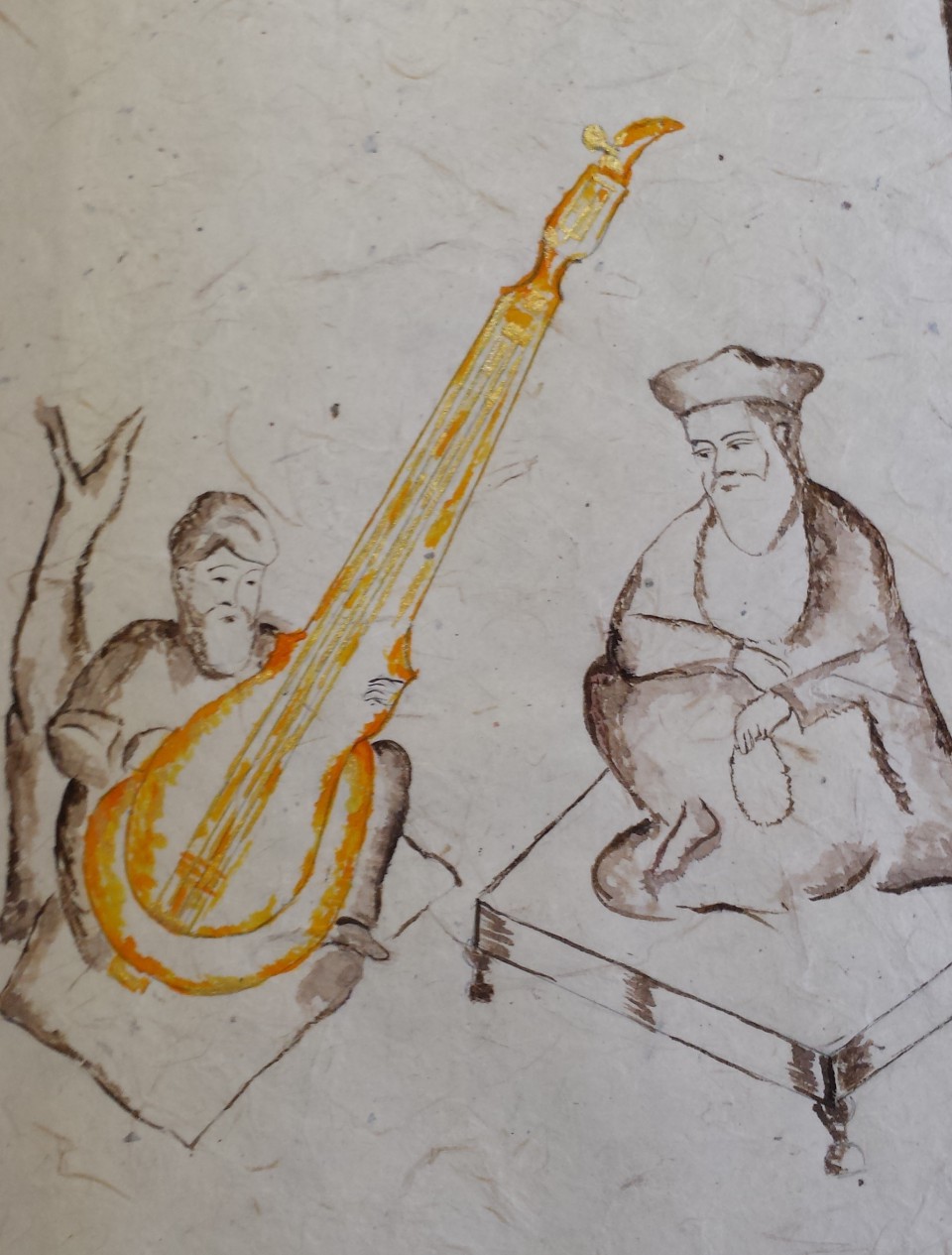
Anand Sahib

Featured

Pauri 2:

ਮਨ ਮੇਰਿਆ ਤੂ ਸਦਾ ਰਹੁ ਹਰਿ ਨਾਲੇ

मन मेरिआ तू सदा रहु हरि नाले

Ė man meriaa ṯū saḏaa rahu har naale.

O’ my mind, you forever stay with the illusion seizing presence,

ਹਰਿ ਨਾਲਿ ਰਹੁ ਤੂ ਮੰਨ ਮੇਰੇ ਦੂਖ ਸਭਿ ਵਿਸਾਰਣਾ

हरि नालि रहु तू मंन मेरे दूख सभि विसारणा

Har naal rahu ṯū man mere ḏūkẖ sabẖ visaarṇaa.

 O’ my mind stay with the divine, all your sufferings shall be forgotten,

ਅੰਗੀਕਾਰੁ ਓਹੁ ਕਰੇ ਤੇਰਾ ਕਾਰਜ ਸਭਿ ਸਵਾਰਣਾ

अंगीकारु ओहु करे तेरा कारज सभि सवारणा

Angīkaar oh kare ṯeraa kaaraj sabẖ savaarṇaa.

Accepted by the divine, all your affairs will blossom,

ਸਭਨਾ ਗਲਾ ਸਮਰਥੁ ਸੁਆਮੀ ਸੋ ਕਿਉ ਮਨਹੁ ਵਿਸਾਰੇ

सभना गला समरथु सुआमी सो किउ मनहु विसारे

Sabẖnaa galaa samrath suaamī so kio manhu visaare.

So why fail to recall in the mind, the all-powerful essence,   

ਕਹੈ ਨਾਨਕੁ ਮੰਨ ਮੇਰੇ ਸਦਾ ਰਹੁ ਹਰਿ ਨਾਲੇ

कहै नानकु मंन मेरे सदा रहु हरि नाले ॥२॥

Kahai Nanak man mere saḏa rahu har naale. ||2||

Says Nanak, O’ my mind, forever stay with the illusion seizing presence. ||2|

In this stanza, the Guru directs the mind to stay with the one that is all- powerful, the one who appears as the mind as well. It directs the mind not to forget its source which bears it. According to my intuitive understanding, here the reference of the mind is the illusory self which believes it is a separate entity. When it is remembered that the sense of self is illusory, it is evident that the divine alone is and the mind comes to rest in the source.

Here I would like to add that as mentioned in my previous posts  ‘Hari’ means the one who snatches or grabs, and what it normally takes away is you, so it destroys away the illusion of self.

© Darpana

Anand Sahib

Featured

Anand Sahib:

Anand Sahib is a composition of Guru Amardas (Mehla :3), the third Guru of the Sikhs. It is recorded on page 917- 922 of the Guru Granth Sahib in Raga Ramkali. It is a beautiful composition which illustrates complete joy, a joy which has no opposites and embraces all the inverses. There are 40 stanzas (pauris) though the 1st five and the last (40th)one is sung in the daily Nitnem or during the ceremonies.

ਰਾਮਕਲੀ ਮਹਲਾ  ਅਨੰਦੁ

रामकली महला अनंदु

Raamkalee, Third Mehl, Anand ~ The Song Of Bliss:

 ਸਤਿਗੁਰ ਪ੍ਰਸਾਦਿ 

सतिगुर प्रसादि

Ikoaʼnkaar saṯgur parsaḏ.

One energetic presence – the grace of the true guru.

Pauri 1:

ਅਨੰਦੁ ਭਇਆ ਮੇਰੀ ਮਾਏ ਸਤਿਗੁਰੂ ਮੈ ਪਾਇਆ 

अनंदु भइआ मेरी माए सतिगुरू मै पाइआ

Anand bẖaiya merī maae saṯgurū mai paaiya.

  There is complete joy, O’ my mother,  I have found my true Guru,

ਸਤਿਗੁਰੁ  ਪਾਇਆ ਸਹਜ ਸੇਤੀ ਮਨਿ ਵਜੀਆ ਵਾਧਾਈਆ 

सतिगुरु पाइआ सहज सेती मनि वजीआ वाधाईआ

Saṯgur ṯa paaiya sahj seṯī man vajiaa vaadhiaa

The True Guru was found naturally, and the mind resonates with the celebrational hues,

ਰਾਗ ਰਤਨ ਪਰਵਾਰ ਪਰੀਆ ਸਬਦ ਗਾਵਣ ਆਈਆ 

राग रतन परवार परीआ सबद गावण आईआ

Raga raṯan parvaar pariya sabaḏ gaavaṇ aaiya

Jewel like melodies and their related celestial tunes have come to sing the word true,

ਸਬਦੋ  ਗਾਵਹੁ ਹਰੀ ਕੇਰਾ ਮਨਿ ਜਿਨੀ ਵਸਾਇਆ 

सबदो गावहु हरी केरा मनि जिनी वसाइआ

Sabḏo ṯa gaavhu harī kera man jinī vasaaiya.

Sing the divine word of the destroyer of illusion, those whose mind is in the one imbued.

ਕਹੈ ਨਾਨਕੁ ਅਨੰਦੁ ਹੋਆ ਸਤਿਗੁਰੂ ਮੈ ਪਾਇਆ 

कहै नानकु अनंदु होआ सतिगुरू मै पाइआ ॥१॥

Kahai Nanak anand hoya saṯgurū mai paaiya ||1||

Says Nanak, there is complete joy, for I have found my True Guru. ||1||

In this stanza (pauri ) Guru Amardas sings of the love and the joy that is felt on the glimpse of the divine or the resonation that is felt on meeting the true guru whereby there is a seeing of this oneness, which is existent. When one finds the True Guru (the one in whom the sense of self has disappeared) there commences true healing . Now one becomes a ‘Gurmukh’ one who is attuned to the Guru rather than a ‘Manmukh’ one who is attuned to the mind or self.  This energetic shift or resonation, which is non- volitional, seems like a celebration of divinity as there is a seeing that this appearance is divine celebration or oneness singing.

© Darpana

Anand Sahib

Pauri 40:

ਅਨਦੁ ਸੁਣਹੁ ਵਡਭਾਗੀਹੋ ਸਗਲ ਮਨੋਰਥ ਪੂਰੇ ॥

अनदु सुणहु वडभागीहो सगल मनोरथ पूरे ॥

Anaḏ suṇhu vadbẖāgīho sagal manorath pūre.

Oh, fortunate ones listen to this blissful song and let all your desires be achieved,

ਪਾਰਬ੍ਰਹਮੁ ਪ੍ਰਭੁ ਪਾਇਆ ਉਤਰੇ ਸਗਲ ਵਿਸੂਰੇ ॥

पारब्रहमु प्रभु पाइआ उतरे सगल विसूरे ॥

Pārbarahm parabẖ pāiā uṯre sagal visūre.

The one arising presence beyond all illusions is attained and sorrows relieved,

ਦੂਖ ਰੋਗ ਸੰਤਾਪ ਉਤਰੇ ਸੁਣੀ ਸਚੀ ਬਾਣੀ ॥

दूख रोग संताप उतरे सुणी सची बाणी ॥

Ḏūkẖ rog sanṯāp uṯre suṇī sacẖī baṇī.

Pain, illness and suffering depart on listening to the word true,

ਸੰਤ ਸਾਜਨ ਭਏ ਸਰਸੇ ਪੂਰੇ ਗੁਰ ਤੇ ਜਾਣੀ ॥

संत साजन भए सरसे पूरे गुर ते जाणी ॥

Sanṯ sājan bẖae sarse pūre gur ṯe jāṇī.

Saints and associates are ecstatic on illumination by the Guru,

ਸੁਣਤੇ ਪੁਨੀਤ ਕਹਤੇ ਪਵਿਤੁ ਸਤਿਗੁਰੁ ਰਹਿਆ ਭਰਪੂਰੇ ॥

सुणते पुनीत कहते पवितु सतिगुरु रहिआ भरपूरे ॥

Suṇṯe punīṯ kahṯe paviṯ saṯgur rahiā bẖarpūre.

Pure are the listeners, pure the speakers in the presence of true Guru which pervades,

ਬਿਨਵੰਤਿ ਨਾਨਕੁ ਗੁਰ ਚਰਣ ਲਾਗੇ ਵਾਜੇ ਅਨਹਦ ਤੂਰੇ ॥੪੦॥੧॥

बिनवंति नानकु गुर चरण लागे वाजे अनहद तूरे ॥४०॥१॥

Binvanṯ Nānak gur cẖaraṇ lāge vāje anhaḏ ṯūre. ||40||1||

Prays Nanak, touching the Guru’s feet the unstruck sound of the celestial instrument reverberates. ||40||1|

In the last stanza (pauri) of Anand Sahib, Guru Amardas highlights the beauty of the shabad (the real word) and that of the Guru. He sings that it is great fortune to be able to listen to this blissful song of Oneness, for on listening to the song, all desires are fulfilled and all sorrows are washed away. This implies that when there is no self all that remains is what is (Hukum).  Here he points to the fact that what we deem as sorrows are associated with the self or duality and when the sense of self apparently falls away then all that remains is what is, there is no one to split life in good-bad or happy-sad. He goes on to elaborate that on knowing or illumination by the true Guru there is real joy or bliss and pure are the ones who listen and speak in its presence. For on meeting the true Guru, and submitting to them all that remains is the presence of the all-pervasive Guru and the unstruck sound that abounds.

©Darpana 

Anand Sahib

Pauri 39:

ਏਹੁ ਸਾਚਾ ਸੋਹਿਲਾ ਸਾਚੈ ਘਰਿ ਗਾਵਹੁ ॥

एहु साचा सोहिला साचै घरि गावहु ॥

Ėhu sācẖā sohilā sācẖai gẖar gāvhu.

Sing this true song of praise in the home of the existent,

ਗਾਵਹੁ ਤ ਸੋਹਿਲਾ ਘਰਿ ਸਾਚੈ ਜਿਥੈ ਸਦਾ ਸਚੁ ਧਿਆਵਹੇ ॥

गावहु त सोहिला घरि साचै जिथै सदा सचु धिआवहे ॥

Gāvhu ṯa sohilā gẖar sācẖai jithai saḏā sacẖ ḏẖiāvhe.

Sing this song of praise, in this home of the existent, where always attended is the present,

ਸਚੋ ਧਿਆਵਹਿ ਜਾ ਤੁਧੁ ਭਾਵਹਿ ਗੁਰਮੁਖਿ ਜਿਨਾ ਬੁਝਾਵਹੇ ॥

सचो धिआवहि जा तुधु भावहि गुरमुखि जिना बुझावहे ॥

Sacẖo ḏẖiāvahi jā ṯuḏẖ bẖāvėh gurmukẖ jinā bujẖāvhe.

The existent can be meditated upon only if its pleasing to you, and though the guru’s word recognised is the inherent,

ਇਹੁ ਸਚੁ ਸਭਨਾ ਕਾ ਖਸਮੁ ਹੈ ਜਿਸੁ ਬਖਸੇ ਸੋ ਜਨੁ ਪਾਵਹੇ ॥

इहु सचु सभना का खसमु है जिसु बखसे सो जनु पावहे ॥

Ih sacẖ sabẖnā kā kẖasam hai jis bakẖse so jan pāvhe.

This, that which is, is the husband or beloved of all, whoever is blessed, recognises the immanent,

ਕਹੈ ਨਾਨਕੁ ਸਚੁ ਸੋਹਿਲਾ ਸਚੈ ਘਰਿ ਗਾਵਹੇ ॥੩੯॥

कहै नानकु सचु सोहिला सचै घरि गावहे ॥३९॥

Kahai Nānak sacẖ sohilā sacẖai gẖar gāvhe. ||39||

Says Nanak, sing the true song of praise in this home of the existent. ||39||

In this penultimate stanza Guru Amardas encourages everyone to recognise that which is, the existent or the formless that appears as all form. The meaning of ‘Sach’ as mentioned before is that which is, or the existent, or the substratum or formlessness which is present. I am not sure if we could use the word ‘always’ for the divinity that is present, as that would indicate time but as our language is dualistic so it becomes impossible to use words for the one that is ineffable. So, we could say the divinity or formless that is always present.

The guru though is very clear in his message that this praise or recognition is not out of choice or endeavour but possible only if the formless wishes to appear as that form or recognise its inherent nature. Moreover, it is the guru’s guidance through which all the cobwebs of illusion are cleared. As mentioned before the Guru can appear as any form, as the cloud, the neighbour, the bird, the shabad (song of praise) anyone or anything can bring us to recognise the existent, to see that the divine alone appears as everything.

©Darpana 

Anand Sahib

Pauri 38:

ਹਰਿ ਜੀਉ ਗੁਫਾ ਅੰਦਰਿ ਰਖਿ ਕੈ ਵਾਜਾ ਪਵਣੁ ਵਜਾਇਆ ॥

हरि जीउ गुफा अंदरि रखि कै वाजा पवणु वजाइआ ॥

Har jīo gufā anḏar rakẖ kai vājā pavaṇ vajāiyā.

This presence places life in the cave of the form, and plays the musical instrument of form through the breath’s wheel,

ਵਜਾਇਆ ਵਾਜਾ ਪਉਣ ਨਉ ਦੁਆਰੇ ਪਰਗਟੁ ਕੀਏ ਦਸਵਾ ਗੁਪਤੁ ਰਖਾਇਆ ॥

वजाइआ वाजा पउण नउ दुआरे परगटु कीए दसवा गुपतु रखाइआ ॥

vajāiyā vājā pauṇ nao ḏuāre pargat kīye ḏasvā gupaṯ rakẖāiyā.

The breath of life plays the musical instrument of form, and reveals the nine doors; but the tenth door it does conceal,

ਗੁਰਦੁਆਰੈ ਲਾਇ ਭਾਵਨੀ ਇਕਨਾ ਦਸਵਾ ਦੁਆਰੁ ਦਿਖਾਇਆ ॥

गुरदुआरै लाइ भावनी इकना दसवा दुआरु दिखाइआ ॥

Gurḏuārai lāee bẖāvnī iknā ḏasvā ḏuār ḏikẖāiyā.

The guru’s door leads a few to be blessed, and the tenth door it does reveal,

ਤਹ ਅਨੇਕ ਰੂਪ ਨਾਉ ਨਵ ਨਿਧਿ ਤਿਸ ਦਾ ਅੰਤੁ ਨ ਜਾਈ ਪਾਇਆ ॥

तह अनेक रूप नाउ नव निधि तिस दा अंतु न जाई पाइआ ॥

Ŧah anek rūp nāo nav niḏẖ ṯis ḏā anṯ na jāī pāiyā.

This presence of countless images and name’s nine treasures; its limits cannot be secured and sealed,

ਕਹੈ ਨਾਨਕੁ ਹਰਿ ਪਿਆਰੈ ਜੀਉ ਗੁਫਾ ਅੰਦਰਿ ਰਖਿ ਕੈ ਵਾਜਾ ਪਵਣੁ ਵਜਾਇਆ ॥੩੮॥

कहै नानकु हरि पिआरै जीउ गुफा अंदरि रखि कै वाजा पवणु वजाइआ ॥३८॥

Kahai Nānak har piārai jīo gufā anḏar rakẖ kai vājā pavaṇ vajāiā. ||38||

Says Nanak, the beloved places life in the cave of the form, and plays the musical instrument of form through breath’s wheel. ||38||

The 38th stanza(pauri) reveals life in a very philosophical and musical manner. Guru Amardas describes how this undying presence places life in the cave of the form and how the wind as the in and out of breath make this form appear to be alive. The word cave used in this stanza in found in many Eastern philosophical texts and ancient traditions. It is believed that the light or life resides in a cave (in the heart) in the form and when it is revealed it is seen that all is life. There are no separate individuals but life alone appears as everything.

The Guru goes on to describe the ten doors of the body of which nine doors are the nine apertures of the body (2 eyes, 2 ears, 2 nostrils, 1 mouth and the two apertures in the lower part of the body.) The tenth door which is concealed is located on the crown of the head it is known as Sahastraar or Sahasraar Chakra in the yogic tradition. It is typically associated with the fontanelle and the intersection of the coronal and sagittal sutures of the skull and is deemed to be the softest part when a baby is born and hardens a bit as the form grows.

Finally, the Guru adds that this undying presence alone appears as all the images and is infinite, thus it cannot be defined nor can its limits ever be found. The last line in an exemplar poetic fashion reiterates the whole message of the stanza.

©Darpana 

Anand Sahib

Pauri 37:

ਏ ਸ੍ਰਵਣਹੁ ਮੇਰਿਹੋ ਸਾਚੈ ਸੁਨਣੈ ਨੋ ਪਠਾਏ ॥

ए स्रवणहु मेरिहो साचै सुनणै नो पठाए ॥

Ė sarvaṇhu meriho sācẖai sunṇai no paṯẖāye.

Oh, ears of mine, you were sent to hear of that which is, the real,

ਸਾਚੈ ਸੁਨਣੈ ਨੋ ਪਠਾਏ ਸਰੀਰਿ ਲਾਏ ਸੁਣਹੁ ਸਤਿ ਬਾਣੀ ॥

साचै सुनणै नो पठाए सरीरि लाए सुणहु सति बाणी ॥

Sācẖai sunṇai no paṯẖāye sarīr lāye suṇhu saṯ baṇī.

To hear of the existent, you were attached to the body; listen to the word true,

ਜਿਤੁ ਸੁਣੀ ਮਨੁ ਤਨੁ ਹਰਿਆ ਹੋਆ ਰਸਨਾ ਰਸਿ ਸਮਾਣੀ ॥

जितु सुणी मनु तनु हरिआ होआ रसना रसि समाणी ॥

Jiṯ suṇī man ṯan hariyā hoā rasnā ras samāṇī.

Hearing which the mind and body are rejuvenated, and the tongue is absorbed in love’s hue,

ਸਚੁ ਅਲਖ ਵਿਡਾਣੀ ਤਾ ਕੀ ਗਤਿ ਕਹੀ ਨ ਜਾਏ ॥

सचु अलख विडाणी ता की गति कही न जाए ॥

Sacẖ alakẖ vidāṇī ṯā kī gaṯ kahī na jāye.

The existent is unknowable and wondrous; its gait is ineffable,

ਕਹੈ ਨਾਨਕੁ ਅੰਮ੍ਰਿਤ ਨਾਮੁ ਸੁਣਹੁ ਪਵਿਤ੍ਰ ਹੋਵਹੁ ਸਾਚੈ ਸੁਨਣੈ ਨੋ ਪਠਾਏ ॥੩੭॥

कहै नानकु अम्रित नामु सुणहु पवित्र होवहु साचै सुनणै नो पठाए ॥३७॥

Kahai Nānak amriṯ nām suṇhu paviṯar hovhu sācẖai sunṇai no paṯẖāye. ||37||

Says Nanak, listen to the eternal essence, be pure for you were sent to hear of that which is, the real. ||37||

This stanza is similar to the previous verse in which Guru Amardas draws the attention of the seeker to the one that exists or stays. In this stanza he personifies and instructs the ears to listen of the one energetic presence rather than the unreal. He adds that hearing of the one energetic presence that stays and appears as the diversity, one’s body is rejuvenated, and the tongue is absorbed in love’s hues. Yet he makes it clear that the divine which is eternal and yet appears as the transient at the same time is unknowable and ineffable. In the last line Guru Amardas adds that the ears were sent to hear of the one alone. This deep and literary work of Guru Amardas is absolutely fabulous. 

©Darpana 

Anand Sahib

Pauri 36:

ਏ ਨੇਤ੍ਰਹੁ ਮੇਰਿਹੋ ਹਰਿ ਤੁਮ ਮਹਿ ਜੋਤਿ ਧਰੀ ਹਰਿ ਬਿਨੁ ਅਵਰੁ ਨ ਦੇਖਹੁ ਕੋਈ ॥

ए नेत्रहु मेरिहो हरि तुम महि जोति धरी हरि बिनु अवरु न देखहु कोई ॥

Ė neṯarahu meriho har ṯum mėh joṯ ḏẖarī har bin avar na ḏekẖhu koī.

O my eyes, the divine presence has infused light into you, so see none other than its presence,

ਹਰਿ ਬਿਨੁ ਅਵਰੁ ਨ ਦੇਖਹੁ ਕੋਈ ਨਦਰੀ ਹਰਿ ਨਿਹਾਲਿਆ ॥

हरि बिनु अवरु न देखहु कोई नदरी हरि निहालिआ ॥

Har bin avar na ḏekẖhu koī naḏrī har nihāliyā.

See none other than the illuminating presence, for its view alone is blessedness true,

ਏਹੁ ਵਿਸੁ ਸੰਸਾਰੁ ਤੁਮ ਦੇਖਦੇ ਏਹੁ ਹਰਿ ਕਾ ਰੂਪੁ ਹੈ ਹਰਿ ਰੂਪੁ ਨਦਰੀ ਆਇਆ ॥

एहु विसु संसारु तुम देखदे एहु हरि का रूपु है हरि रूपु नदरी आइआ ॥

Ėhu vis sansār ṯum ḏekẖḏe ehu har kā rūp hai har rūp naḏrī āiyā.

This whole world that you see is the image of the illuminating presence; the divine form alone is in view,

ਗੁਰ ਪਰਸਾਦੀ ਬੁਝਿਆ ਜਾ ਵੇਖਾ ਹਰਿ ਇਕੁ ਹੈ ਹਰਿ ਬਿਨੁ ਅਵਰੁ ਨ ਕੋਈ ॥

गुर परसादी बुझिआ जा वेखा हरि इकु है हरि बिनु अवरु न कोई ॥

Gur parsādī bujẖiā jā vekẖā har ik hai har bin avar na koī.

By the Guru’s grace there is recognition, the presence is one alone, there is none other than the divine presence,

ਕਹੈ ਨਾਨਕੁ ਏਹਿ ਨੇਤ੍ਰ ਅੰਧ ਸੇ ਸਤਿਗੁਰਿ ਮਿਲਿਐ ਦਿਬ ਦ੍ਰਿਸਟਿ ਹੋਈ ॥੩੬॥

कहै नानकु एहि नेत्र अंध से सतिगुरि मिलिऐ दिब द्रिसटि होई ॥३६॥

Kahai Nānak ehi neṯar anḏẖ se saṯgur miliyai ḏib ḏarisat hoī. ||36||

Says Nanak, these eyes are without vision, on meeting the true Guru they obtain the view of the divine essence. ||36||

This poetic stanza is very similar to the previous verse. In this stanza Guru Amardas, wonderfully draws the attention of the seeker to the unity that alone exists or stays. He beautifully personifies the eyes and chides them to view the one presence alone, that is or always stays and appears as the transient. He sings that diversity that appears is truly the one appearing as diverse, and to see the one alone that is in view, is true blessedness. Finally, the guru adds that the eyes are without vision when they see diversity, but by the Gurus’s grace they see the one alone in view.

©Darpana  

Anand Sahib

Pauri 36:

ਏ ਨੇਤ੍ਰਹੁ ਮੇਰਿਹੋ ਹਰਿ ਤੁਮ ਮਹਿ ਜੋਤਿ ਧਰੀ ਹਰਿ ਬਿਨੁ ਅਵਰੁ ਨ ਦੇਖਹੁ ਕੋਈ ॥

ए नेत्रहु मेरिहो हरि तुम महि जोति धरी हरि बिनु अवरु न देखहु कोई ॥

Ė neṯarahu meriho har ṯum mėh joṯ ḏẖarī har bin avar na ḏekẖhu koī.

O my eyes, the divine presence has infused light into you; so, see no other than its presence,

ਹਰਿ ਬਿਨੁ ਅਵਰੁ ਨ ਦੇਖਹੁ ਕੋਈ ਨਦਰੀ ਹਰਿ ਨਿਹਾਲਿਆ ॥

हरि बिनु अवरु न देखहु कोई नदरी हरि निहालिआ ॥

Har bin avar na ḏekẖhu koī naḏrī har nihāliyā.

See no other than the presence; for its view alone is blessedness true,

ਏਹੁ ਵਿਸੁ ਸੰਸਾਰੁ ਤੁਮ ਦੇਖਦੇ ਏਹੁ ਹਰਿ ਕਾ ਰੂਪੁ ਹੈ ਹਰਿ ਰੂਪੁ ਨਦਰੀ ਆਇਆ ॥

एहु विसु संसारु तुम देखदे एहु हरि का रूपु है हरि रूपु नदरी आइआ ॥

Ėhu vis sansār ṯum ḏekẖḏe ehu har kā rūp hai har rūp naḏrī āiyā.

This whole world that you see is the divine image; the divine form alone is in view,

ਗੁਰ ਪਰਸਾਦੀ ਬੁਝਿਆ ਜਾ ਵੇਖਾ ਹਰਿ ਇਕੁ ਹੈ ਹਰਿ ਬਿਨੁ ਅਵਰੁ ਨ ਕੋਈ ॥

गुर परसादी बुझिआ जा वेखा हरि इकु है हरि बिनु अवरु न कोई ॥

Gur parsādī bujẖiā jā vekẖā har ik hai har bin avar na koī.

By the Guru’s grace there is recognition, the presence is one alone, there is none other than the divine presence,

ਕਹੈ ਨਾਨਕੁ ਏਹਿ ਨੇਤ੍ਰ ਅੰਧ ਸੇ ਸਤਿਗੁਰਿ ਮਿਲਿਐ ਦਿਬ ਦ੍ਰਿਸਟਿ ਹੋਈ ॥੩੬॥

कहै नानकु एहि नेत्र अंध से सतिगुरि मिलिऐ दिब द्रिसटि होई ॥३६॥

Kahai Nānak ehi neṯar anḏẖ se saṯgur miliyai ḏib ḏarisat hoī. ||36||

Says Nanak, these eyes are without vision, though on meeting the true Guru, they obtain the view of the divine essence. ||36||

This poetic stanza is very similar to the previous verse. In this stanza Guru Amardas, in exemplary poetry, draws the attention of the seeker to the unity that alone is. He personifies the eyes in this stanza and chides them to view the one presence alone, that is or always stays and appears as the transient. He explains that diversity that appears is truly the one appearing as diverse, and to see the one alone that is in view, is true blessedness. Finally, the guru adds that the eyes are without vision when they see diversity, but by the Gurus’s grace they see the divine alone in view.

©Darpana  

Anand Sahib

Pauri 35:

ਏ ਸਰੀਰਾ ਮੇਰਿਆ ਇਸੁ ਜਗ ਮਹਿ ਆਇ ਕੈ ਕਿਆ ਤੁਧੁ ਕਰਮ ਕਮਾਇਆ ॥

ए सरीरा मेरिआ इसु जग महि आइ कै किआ तुधु करम कमाइआ ॥

Ė sarīrā meriyā is jag mėh āye kai kiā ṯuḏẖ karam kamāiyā.

O’ form of mine, what blessings have you earned on arising into this worldly appearance,

ਕਿ ਕਰਮ ਕਮਾਇਆ ਤੁਧੁ ਸਰੀਰਾ ਜਾ ਤੂ ਜਗ ਮਹਿ ਆਇਆ ॥

कि करम कमाइआ तुधु सरीरा जा तू जग महि आइआ ॥

Kė karam kamāiyā ṯuḏẖ sarīrā jā ṯū jag mėh āiyā.

What blessings have you earned, O’ form of mine, since you appeared in this worldly presence,

ਜਿਨਿ ਹਰਿ ਤੇਰਾ ਰਚਨੁ ਰਚਿਆ ਸੋ ਹਰਿ ਮਨਿ ਨ ਵਸਾਇਆ ॥

जिनि हरि तेरा रचनु रचिआ सो हरि मनि न वसाइआ ॥

Jin har ṯerā racẖan racẖiyā so har man na vasāiyā.

You haven’t enshrined that presence, in the mind,  which fashions your emergence,

ਗੁਰ ਪਰਸਾਦੀ ਹਰਿ ਮੰਨਿ ਵਸਿਆ ਪੂਰਬਿ ਲਿਖਿਆ ਪਾਇਆ ॥

गुर परसादी हरि मंनि वसिआ पूरबि लिखिआ पाइआ ॥

Gur parsādī har man vasiyā pūrab likẖiā pāiyā.

By the Guru’s grace, the presence abides in the mind, and fulfilled is the primal correspondence,

ਕਹੈ ਨਾਨਕੁ ਏਹੁ ਸਰੀਰੁ ਪਰਵਾਣੁ ਹੋਆ ਜਿਨਿ ਸਤਿਗੁਰ ਸਿਉ ਚਿਤੁ ਲਾਇਆ ॥੩੫॥

कहै नानकु एहु सरीरु परवाणु होआ जिनि सतिगुर सिउ चितु लाइआ ॥३५॥

Kahai Nānak ehu sarīr parvāṇ hoā jin saṯgur sio cẖiṯ lāiyā. ||35||

Says Nanak, complete, acceptable, authentic is that form which is focused on the Guru that is in existence. ||35||

In this amazing stanza Guru Amardas so subtly directs the attention of the seeker towards the Guru that always is present, and continually invites the seeking mind to see the reality of oneness. In the last stanza he states: that the form which is focussed on the Guru, alone is acceptable, authentic, and complete. In the beginning lines he reprimands and questions the form by asking as to what blessings it has earned by coming into existence? And why has it forgotten the presence which appears as it in existence. Implying the apparent sense of self is so lost in its seeming stories, that it forgets the fact that it does not sustain a form, but life sustains it. Truly, Guru Amardas in his simple and profound manner draws the attention of the mind to the one presence that alone exists, and it alone brings and sustains forms.

© Darpana  .

Anand Sahib

Pauri 34:

 ਮਨਿ ਚਾਉ ਭਇਆ ਪ੍ਰਭ ਆਗਮੁ ਸੁਣਿਆ

मनि चाउ भइआ प्रभ आगमु सुणिआ

Man cẖāo bẖaiyā parabẖ āgam suṇiyā.

The mind has become joyful, hearing of the prime – the one that shines,

ਹਰਿ ਮੰਗਲੁ ਗਾਉ ਸਖੀ ਗ੍ਰਿਹੁ ਮੰਦਰੁ ਬਣਿਆ

हरि मंगलु गाउ सखी ग्रिहु मंदरु बणिआ

Har mangal gāo sakẖī garihu manḏar baṇiyā.

Sing the song of joy, O’ friends; my house has become the divine’s shrine,

ਹਰਿ ਗਾਉ ਮੰਗਲੁ ਨਿਤ ਸਖੀਏ ਸੋਗੁ ਦੂਖੁ ਵਿਆਪਏ

हरि गाउ मंगलु नित सखीए सोगु दूखु विआपए

Har gāo mangal niṯ sakẖīye sog ḏūkẖ na viāpaye.

O’ my friends, sing continually the song of joy for suffering and sorrow then do not pressurize, confine,

ਗੁਰ ਚਰਨ ਲਾਗੇ ਦਿਨ ਸਭਾਗੇ ਆਪਣਾ ਪਿਰੁ ਜਾਪਏ

गुर चरन लागे दिन सभागे आपणा पिरु जापए

Gur cẖaran lāge ḏin sabẖāge āpṇā pir jāpye.

Blessed is that day when attached to the Guru’s feet, remembered is our divine,

ਅਨਹਤ ਬਾਣੀ ਗੁਰ ਸਬਦਿ ਜਾਣੀ ਹਰਿ ਨਾਮੁ ਹਰਿ ਰਸੁ ਭੋਗੋ

अनहत बाणी गुर सबदि जाणी हरि नामु हरि रसु भोगो

Anhaṯ baṇī gur sabaḏ jāṇī har nām har ras bẖogo.

The unstruck sound has been revealed by the word of the guru, and relished is the name of the illusion seizing presence,

ਕਹੈ ਨਾਨਕੁ ਪ੍ਰਭੁ ਆਪਿ ਮਿਲਿਆ ਕਰਣ ਕਾਰਣ ਜੋਗੋ ੩੪

कहै नानकु प्रभु आपि मिलिआ करण कारण जोगो ॥३४॥

Kahai Nānak parabẖ āp miliyā karaṇ kāraṇ jogo. ||34||

Says Nanak, the divine presence itself reunites, as it alone is the reason, the resonance and performance. ||34||

In this stanza Guru Amardas subtly elucidates that the one alone performs, is the performer, performance, and resonance. In the first line the Guru sings that the mind becomes joyful on hearing that the one alone does shine but as the message gets deeper  it is seen that the body or form is the shrine of the divine . In the following lines he sings that let us remember the one, by whose remembrance sorrow is dissipated and blessed becomes the day, when through the Guru, seen is the divine and revealed is the unstruck sound. In the last line he adds that it is recognised all is one as is previously mentioned.

© Darpana

Anand Sahib

Pauri 33:

ਏ ਸਰੀਰਾ ਮੇਰਿਆ ਹਰਿ ਤੁਮ ਮਹਿ ਜੋਤਿ ਰਖੀ ਤਾ ਤੂ ਜਗ ਮਹਿ ਆਇਆ ॥

ए सरीरा मेरिआ हरि तुम महि जोति रखी ता तू जग महि आइआ ॥

Ė sarīrā meriyā har ṯum mėh joṯ rakẖī ṯā ṯū jag mėh āiyā.

The presence placed the light in you, O’ form of mine, thus alone you came to be,

ਹਰਿ ਜੋਤਿ ਰਖੀ ਤੁਧੁ ਵਿਚਿ ਤਾ ਤੂ ਜਗ ਮਹਿ ਆਇਆ ॥

हरि जोति रखी तुधु विचि ता तू जग महि आइआ ॥

Har joṯ rakẖī ṯuḏẖ vicẖ ṯā ṯū jag mėh āiyā.

The light when placed into you, by this presence, thus alone you came to be,

ਹਰਿ ਆਪੇ ਮਾਤਾ ਆਪੇ ਪਿਤਾ ਜਿਨਿ ਜੀਉ ਉਪਾਇ ਜਗਤੁ ਦਿਖਾਇਆ ॥

हरि आपे माता आपे पिता जिनि जीउ उपाइ जगतु दिखाइआ ॥

Har āpe māṯā āpe piṯā jin jīyo upāe jagaṯ ḏikẖāiyā.

The presence itself appears as the mother, itself as the father, it itself forms as the beings and reveals its forms to see,

ਗੁਰ ਪਰਸਾਦੀ ਬੁਝਿਆ ਤਾ ਚਲਤੁ ਹੋਆ ਚਲਤੁ ਨਦਰੀ ਆਇਆ ॥

गुर परसादी बुझिआ ता चलतु होआ चलतु नदरी आइआ ॥

Gur parsādī bujẖiyā ṯā cẖalaṯ hoyā cẖalaṯ naḏrī āiyā.

By the Guru’s grace when this is recognised, then this worldly show is seen as what it is – a play free,

ਕਹੈ ਨਾਨਕੁ ਸ੍ਰਿਸਟਿ ਕਾ ਮੂਲੁ ਰਚਿਆ ਜੋਤਿ ਰਾਖੀ ਤਾ ਤੂ ਜਗ ਮਹਿ ਆਇਆ ॥੩੩॥

कहै नानकु स्रिसटि का मूलु रचिआ जोति राखी ता तू जग महि आइआ ॥३३॥

Kahai Nānak sarisat kā mūl racẖiyā joṯ rākẖī ṯā ṯū jag mėh āiyā. ||33||

Says Nanak, when laid is the essence of this appearance, and placed is the light, then alone you come to be. ||33||

In this profound stanza the Guru very beautifully elucidates that the ‘You’, ‘I’, ‘self’ and form have no standing of its own. He sings that this form comes into being only when the formless divine presence appears as the form and places its light in it. He adds that the divine presence alone appears as the mother and the father, and it alone reveals all forms, and it alone sees its seeming creation. This reality that this appearance is a mere play, is seen by the guru’s grace. Finally in the last line the Guru reiterates that all forms come into being only when the divine presence lays its foundations and appears as those forms, implying all is in the hands of the divine presence.

© Darpana

Anand Sahib

Pauri 32:

ਏ ਰਸਨਾ ਤੂ ਅਨ ਰਸਿ ਰਾਚਿ ਰਹੀ ਤੇਰੀ ਪਿਆਸ ਨ ਜਾਇ ॥

ए रसना तू अन रसि राचि रही तेरी पिआस न जाइ ॥

Ė rasnā ṯū an ras rācẖ rahī ṯerī piyās na jāe.

O’ tongue, you are engrossed in varied tastes, yet your thirst cannot be made replete,

ਪਿਆਸ ਨ ਜਾਇ ਹੋਰਤੁ ਕਿਤੈ ਜਿਚਰੁ ਹਰਿ ਰਸੁ ਪਲੈ ਨ ਪਾਇ ॥

पिआस न जाइ होरतु कितै जिचरु हरि रसु पलै न पाइ ॥

Piyās na jāe horaṯ kiṯai jicẖar har ras palai na pāe.

Your thirst cannot be sated by any means, until recognised is the illusion seizing treat,

ਹਰਿ ਰਸੁ ਪਾਇ ਪਲੈ ਪੀਐ ਹਰਿ ਰਸੁ ਬਹੁੜਿ ਨ ਤ੍ਰਿਸਨਾ ਲਾਗੈ ਆਇ ॥

हरि रसु पाइ पलै पीऐ हरि रसु बहुड़ि न त्रिसना लागै आइ ॥

Har ras pāe palai pīyai har ras bahuṛ na ṯarisnā lāgai āye.

Having tasted and attained the taste of the illusion seizing presence, never shall thirst defeat,

ਏਹੁ ਹਰਿ ਰਸੁ ਕਰਮੀ ਪਾਈਐ ਸਤਿਗੁਰੁ ਮਿਲੈ ਜਿਸੁ ਆਇ ॥

एहु हरि रसु करमी पाईऐ सतिगुरु मिलै जिसु आइ ॥

Ėhu har ras karmī pāīyai saṯgur milai jis āye.

This taste of the illusion seizing presence is attained by grace and when one meets the Guru – complete,

ਕਹੈ ਨਾਨਕੁ ਹੋਰਿ ਅਨ ਰਸ ਸਭਿ ਵੀਸਰੇ ਜਾ ਹਰਿ ਵਸੈ ਮਨਿ ਆਇ ॥੩੨॥

कहै नानकु होरि अन रस सभि वीसरे जा हरि वसै मनि आइ ॥३२॥

Kahai Nānak hor an ras sabẖ vīsre jā har vasai man āye. ||32||

Says Nanak, all other tastes and essences are forgotten, when the illusion seizing presence resides in the mind’s seat. ||32||

In this stanza, the Guru through the metaphor of taste and tongue illustrates the completeness of oneness that alone does exist. He sings that the tongue when engrossed in the taste of duality can never be satiated, for one desire leads to another and all these tastes are ephemeral. While the taste of oneness is complete and possible only when the illusion seizing presence unravels the duality and it is recognised that all is one alone in myriad garbs. But this possible only when oneness is tasted, which is possible by grace and on meeting the guru that is complete. Finally in the last line the Guru adds that all tastes are forgotten, and thirst does not afflict when the illusion seizing presence comes to reside in the seat of the mind.

© Darpana

Design a site like this with WordPress.com
Get started